

Wall art decor is an integral part of home decor, and this guide has everything you need to know to decorate your rooms perfectly.
What makes this so important is that it truly transforms homes. It does that by combining style, personality, and functionality.
In this guide, we will explore various elements related to this topic.
For example, we will explore ideas, specific rooms, seasons, and more.
So, if you’re incorporating wall art into your home decor, keep reading.
Wall Art Decor Ideas

Wall art decor gives us a unique way to express personality, creativity, and style in any home.
From abstract paintings to framed photographs, the options are truly endless.
In my experience, selecting wall art decor requires us to consider the size of the wall, the color palette of the room, and the mood one wishes to create.
For example, large statement pieces may become focal points, while smaller clusters of art may add a curated gallery feel.
Of course, for those who enjoy DIY projects, creating personalized ones with canvas prints, fabric textures, or even hand-painted murals will elevate a space without the need for expensive purchases.
Likewise, mixing different mediums, such as metal sculptures alongside framed prints, will create depth and visual interest.
Meanwhile, patterns and themes also unify your choices. For instance, whether you choose botanical prints, cityscapes, or abstract geometric shapes.
Incorporating lighting, such as track or accent lights, is definitely a good idea. These tend to further enhances the impact of your wall art decor.
That is, the goal is to balance functionality with aesthetics as a way to make your walls feel lively, inviting, and reflective of your personal taste.
Wall Art Decor for Living Room
The living room is the heart of your home. As you can image, it makes it a prime spot for wall art decor.
Choosing the right pieces will define the style of your entire living space.
As a result, you want to consider using large canvases or statement mirrors to anchor your seating area.
Of course, smaller prints or photographs may fill side walls to create a balanced gallery effect.
As you plan wall art decor for the living room, I recommend that you pay attention to color coordination.
For instance, warm tones tend to make the space feel cozy, while cooler shades may evoke a calm and relaxing atmosphere.
Another way is to introduce thematic choices. For example, cityscapes, abstract designs, or family-centered imagery may establish a narrative.
Layering textures and materials, like wooden frames, metal accents, or fabric panels, are great ideas. They will add depth and dimension.
Changing the wall decor seasonally, such as incorporating colorful spring hues or warm autumnal tones, are great, too. These hacks will keep the living room fresh and inviting.
So, thoughtful placement and careful selection will transform the living room from ordinary to memorable.
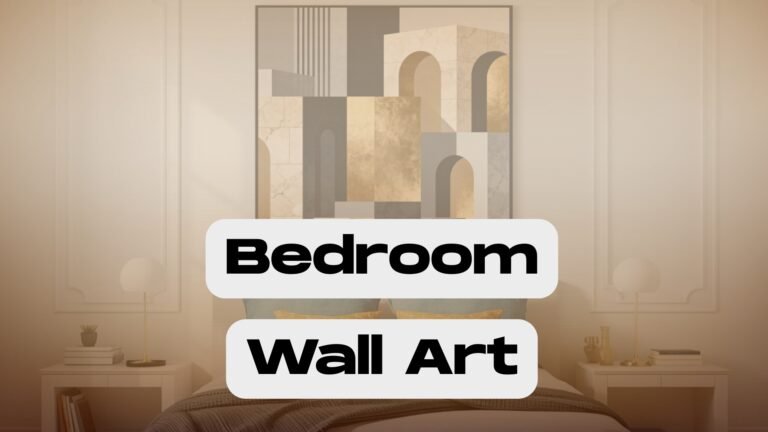
Wall Art Decor for Bedroom
Bedrooms benefit from wall art decor that promotes relaxation and represents personal style.
Unlike public spaces, bedroom walls should focus on tranquility and harmony. For example, as a way of creating a sanctuary that invites rest.
Soft, muted color palettes, abstract designs, or nature-inspired prints work well. That is because these tend to cultivate a soothing environment.
Large headboard-adjacent art is a great idea, too. For instance, expect it to serve as a focal point.
On the other hand, smaller pieces near dressers or nightstands add charm without overwhelming the room.
And, of course, personal touches are great. For example, think of framed photographs or handpicked prints.
What I love about personal touches is that they make art more meaningful.
Themed arrangements, like a set of three matching prints or a series of complementary canvases, are also great ideas. In my experience, these tend to give structure and visual balance.
In bedrooms with limited wall space, using art above shelving or incorporating vertical panels will maximize impact.
Lighting, particularly soft bedside or accent lights, strengthens the aesthetic of your wall art while contributing to a calming ambiance.
So, thoughtful selection is key. It will make sure that your bedroom becomes a cozy, stylish retreat.
Seasonal Refreshes

Along with specific rooms, there are other things to consider, as well.
For example, seasonal refreshes in wall art decor gives your home to feel current and inspired throughout the year.
Swapping out artwork or rotating prints will introduce new colors, patterns, and moods that represent each season.
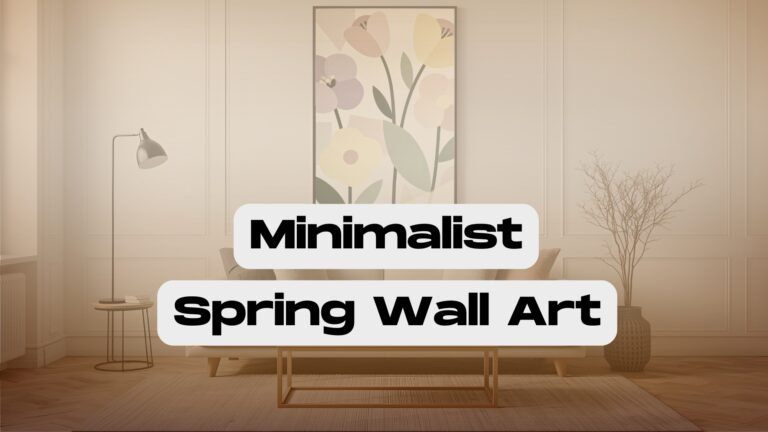
For spring, floral or botanical art tends to brighten interiors with fresh and lively energy.
In summer, coastal-inspired or tropical prints will definitely bring warmth and a relaxed vibe to living spaces.
Autumnal art usually incorporates warm tones. For instance, think of burnt orange, deep reds, and earthy browns. It means your art will be complementing natural seasonal changes outside.
Winter is definitely an opportunity to embrace cozy, muted colors or festive-themed art. I love these because they create a feeling of warmth.
And, of course, seasonal refreshes may also be subtle. For example, changing the matting or frames.
However, the seasons may also inspire bold moves, like replacing entire collections to match the season’s mood.
Rotating wall art not only keeps interiors feeling dynamic but also gives homeowners opportunities.
For example, the chance to explore creativity and experiment with different styles without committing to permanent changes.
Moods to Love
Wall art decor plays a super important role in establishing the mood of any room.
For example, bright and lively artwork will energize a space, ideal for kitchens, offices, or lively living areas.
On the other hand, calming art featuring soft colors, abstract waves, or nature scenes tends to create a peaceful sanctuary for bedrooms or reading nooks.
Romantic or whimsical wall art? These are sure to add charm to shared spaces.
For example, consider using imagery like delicate florals, subtle pastel palettes, or intimate photography.
Playful and modern designs, such as geometric shapes or bold color blocks, are important, as well.
In my experience, these to tend to infuse creativity into family rooms or creative studios.
Understanding the emotional impact of color and composition will make sure that your wall art complements the desired atmosphere.
Incorporating pieces that resonate personally will strengthen the space further, as they make your home feel truly curated.
Layering different styles within the same room—like a bold focal piece surrounded by smaller, calming works—will balance energy while still giving us cohesion.
What to Avoid
As you venture into selecting wall art decor, avoiding common pitfalls will go a long way.
For example, it will help you put together a cohesive and visually pleasing space.
Clashing colors, oversized pieces in small rooms, or overly busy patterns are a big no-no.
Why?
These tend to overwhelm a space rather than enhance it.
And poorly hung wall art, such as frames misaligned or positioned too high or low?
Expect them to disrupt balance and visual flow.
And, of course, you should avoid overcrowding walls, which will make a room feel chaotic and cluttered.
For instance, negative space is just as important as the art itself.
Repetitive or uninspired pieces may fail to convey personality or mood.
The remedy?
Go for diversity in style, material, and composition.
Neglecting wall proportions or ignoring the room’s overall theme is another issue to avoid.
Why?
These tend to undermine the effectiveness of your wall art.
And, finally, choosing pieces solely based on trends rather than personal connection is something to avoid.
That’s because it may result in artwork that feels impersonal or short-lived.
Carefully curated selections, thoughtful arrangement, and attention to scale is what you want. That will make sure your art elevates rather than detracting from your interior design.
Wall Art Decor Checklist
Creating a wall art decor checklist is super important. Honestly, this will help streamline the selection process and will ensure cohesive design.
My recommendation is to begin by measuring walls. This is to determine suitable sizes and proportions.
Identify the mood you want to create and consider color schemes. For instance, you want something to complement your existing furniture.
Decide on the type of wall art. For example, do you want prints, paintings, photographs, or mixed media?
That will help you choose what aligns with the room’s function.
And consider placement. For instance, this would include height, alignment, and spacing between pieces.
I would say factor in materials and textures, from wood frames to metal or canvas. You want to add depth and tactile interest.
Of course, assess lighting, as proper illumination will strengthen the impact and visibility.
Plan for seasonal updates or rotations if desired, to make sure you have flexibility and freshness.
Review the checklist for balance, scale, and cohesion before installation.
Following a structured system to guarantee that your wall art works for the space aesthetically and functionally.
You will be creating a harmonious and personalized home environment.
Enjoy your wall art!

Pingback: Spring Living Room Wall Art You’ll Actually Treasure Lavishly - Bella Rowe
Pingback: Home Decor Style Ideas Focus on Insanely Beautiful Spaces - Bella Rowe
Pingback: Minimalist Wall Art for the Spring to Love - Bella Rowe
Pingback: Art Deco Wall Art Prints for Popular Decor Hack - Bella Rowe
Pingback: Seasonal Wall Art Swaps Is Actually the Great Rave - Bella Rowe
Pingback: Bedroom Wall Art That Is Insanely Unique for Space - Bella Rowe
Pingback: Living Room FunHaus Circus Wall Art for Beautiful Space - Bella Rowe
Pingback: Deco Fan Wall Art Print Make Insanely Beautiful Pieces
Pingback: Art Deco Geometry Prints Obsession is Actually Jackpot Decor