

Beach house decor takes inspiration from coastal life, and this guide has everything you need to know to implement in your own home.
As a popular type of home decor, coastal homes are always in trend.
Therefore, this guide shows you how to combine color, texture, art, rugs, lighting, and subtle nautical details to create a calm, cohesive, and timeless coastal home.
So, if you’re planning to decorate your beautiful beach place, keep reading.
Beach House Decor Ideas
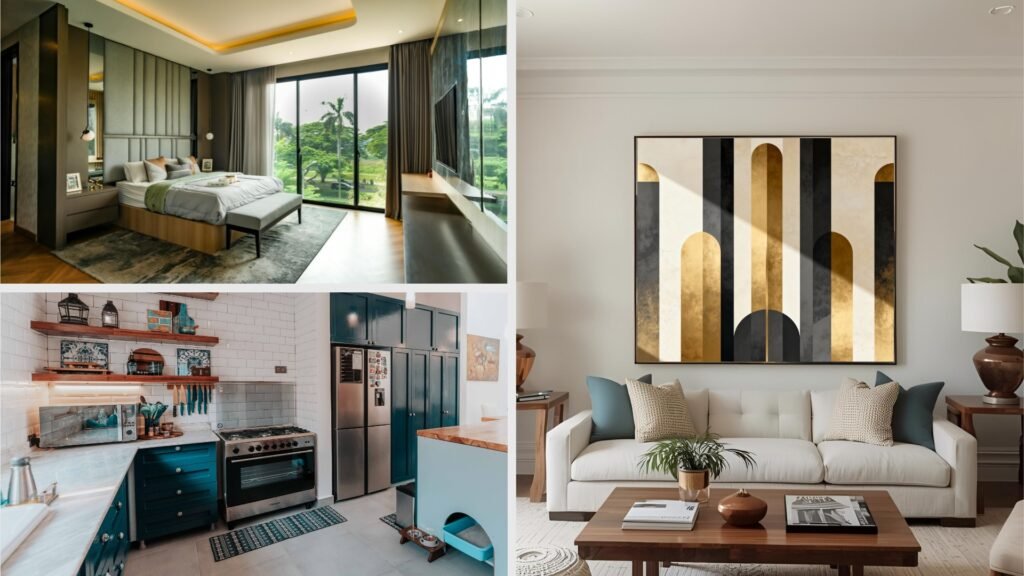
Home decor style ideas come from diverse sources, but creating a coastal vibe is about more than following a theme.
This is about capturing a feeling of ease, light, and a visible connection to nautical nature.
For example, beach-inspired interiors balance softness with texture.
They mix natural materials, calming colors, and thoughtful details to create spaces that feel relaxed yet intentional.
From the foundation of a well-chosen color palette to the finishing touches of lighting and accessories, every element plays a role in bringing together the overall atmosphere.
Of course, subtle nautical references add character without overwhelming.
And wall art? It brings personality and visual flow.
And then there are rugs. Rugs help ground rooms and add warmth underfoot.
Similarly, layered lighting is another aspect. Layered lighting spaces feel inviting at any time of day.
In other words, when these components work together, the result is a home that feels cohesive, timeless, and comfortable.
The following sections will explore key design elements that define beach house decor.
As a result, expect guidance on how to thoughtfully combine color, texture, art, and lighting to create a calm, coastal-inspired living environment.
Beach-Inspired Color Palettes
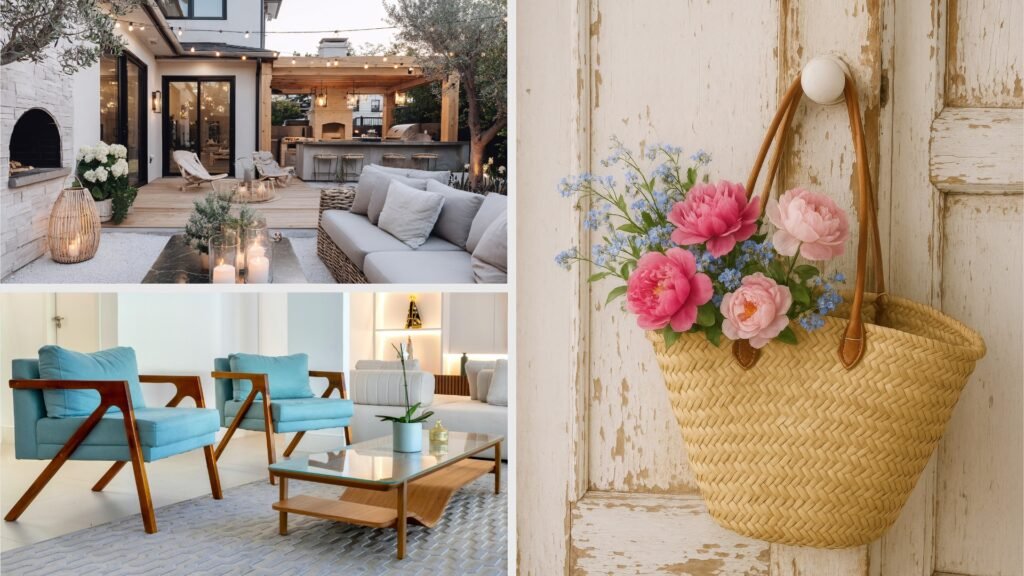
Looking for an inspiration for a spring living room wall art? Color is what dictates it all.
Color is the foundation of any coastal interior. It sets the emotional tone before furniture or accessories are added.
Beach-inspired palettes tend to draw directly from nature. For example, by using soft whites, sandy beiges, warm driftwood tones, and gentle blues reminiscent of sky and sea.
The lighter hues help reflect natural light. And that makes spaces feel open, breezy, and calm.
Muted greens inspired by sea grass or eucalyptus will definitely add a fresh layer.
And that is without overpowering the room.
On the other hand, pale gray tones echo weathered wood and coastal stone.
Accent colors such as coral, sun-washed yellow, or seafoam are great but with a little bit of caution.
For instance, these colors should be used sparingly to create visual interest without disrupting the relaxed atmosphere.
Layering shades within the same color family is great. This strategy adds depth without compromising harmony.
And when thoughtfully combined, these palettes prevent rooms from feeling overly themed or dated.
The goal is to create a sense of ease, as if the space naturally belongs near the water rather than being styled around it.
A balanced color scheme is what you want to go for. The Beach house decor will feel timeless, calming, and adaptable across different rooms and lighting conditions.
Nautical Accents
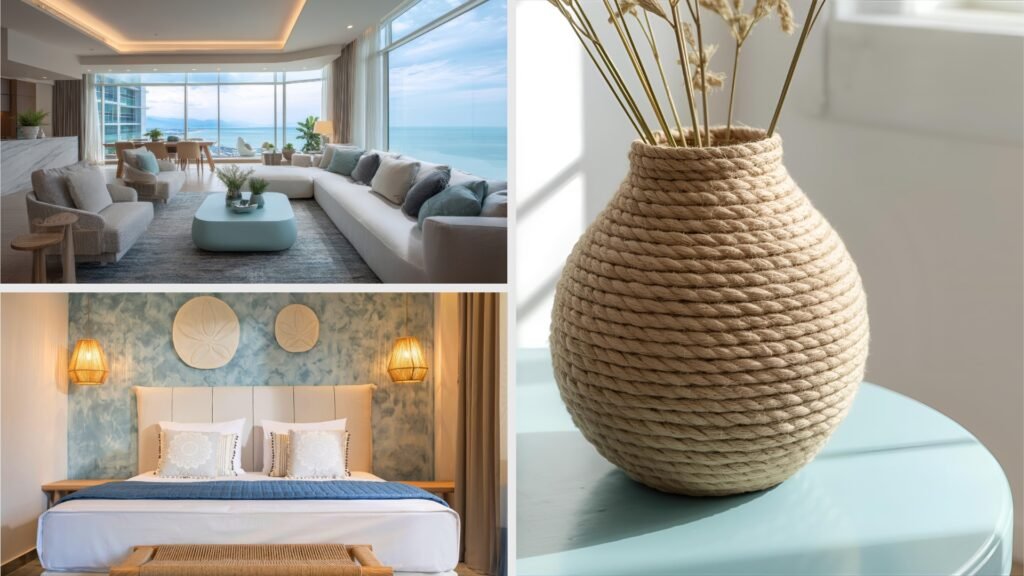
Nautical accents are the natural choices. Imagine distinct, rhythmic, clipped tones with maritime influence and coastal flavor.
These will add character and storytelling to a coastal interior without overwhelming the space.
Of course, the key is subtlety. For instance, using maritime elements as thoughtful details rather than dominant themes.
Items such as rope-wrapped vases, brass or matte-black lanterns, weathered oars, and striped textiles are perfect. They reference life by the water in a refined way.
Natural materials like wood, jute, linen, and metal are what I would recommend. They help anchor these accents in authenticity.
Classic nautical patterns, including thin stripes or simple geometrics, are also great. Introduce them through pillows or throws rather than large furniture pieces.
Decorative knots, anchors, or compass motifs are also in great consideration. These work best when scaled down and mixed with neutral surroundings.
In other words, balance is the harmonic goal here.
For example, pairing nautical details with modern shapes or minimalist furniture keeps the look elevated and avoids a costume-like effect.
These accents will feel collected over time, not staged all at once.
So, when used intentionally, nautical touches will definitely make the beach house decor what it is.
And it works by adding history, texture, and a quiet sense of adventure inspired by the sea.
Wall Art Beach House Decor
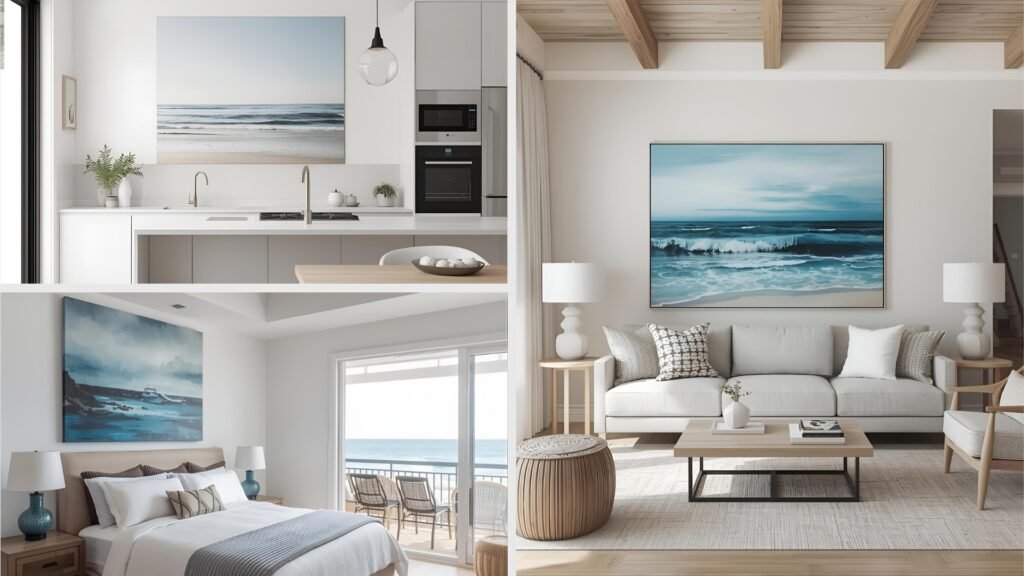
Wall art plays a very important role. If you want to shape the mood of a coastal interior, you will need them.
Wall art gives your home both visual interest and personality.
For beach-inspired spaces, artwork should feel relaxed, organic, and connected to nature.
Seascapes, shoreline photography, abstract ocean textures, and soft horizon lines are popular choices.
That’s because they naturally evoke calm without being overly literal.
Neutral frames in wood, white, or light metal help are also great. These frames keep the cohesive look while allowing the art to breathe.
Gallery walls tend to work beautifully, and especially when kept minimal. For instance, mixing different sizes but staying within a consistent color palette.
Other great ideas include hand-painted pieces, textured prints, or canvas art.
Regardless of what you choose, you want it to be with subtle movement that add depth and warmth to blank walls.
Of course, you should avoid overly saturated colors or busy compositions. They will disrupt the tranquil feel of the room.
The placement of artwork also matters just as much as the content. For example, the art should complement furniture layouts and natural light rather than compete with them.
That is, thoughtfully selected pieces will make sure your wall art beach house decor reinforces the coastal identity.
Rugs for Beach House Decor
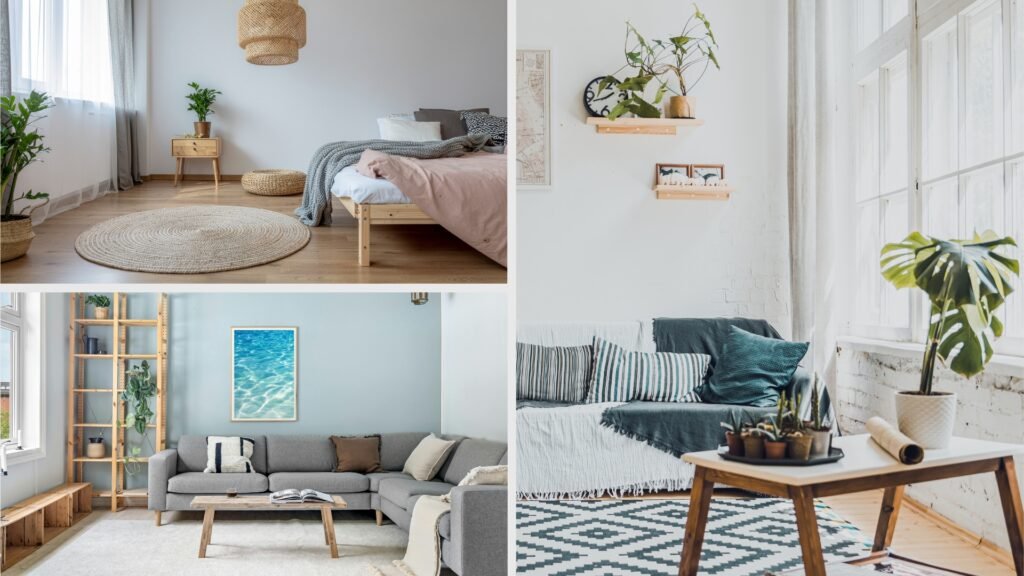
Rugs are an excellent choice for beach house decor. They bring in comfort, texture, and grounding.
Natural fibers such as jute, sisal, and seagrass are popular choices. These somehow represent the organic materials found near the shore.
In most cases, rugs will add warmth underfoot while keeping up with the casual, breathable feel.
For higher-traffic areas, flatweave rugs or low-pile options are best. They are durable and easy to maintain.
I also love soft patterns inspired by waves, subtle stripes, or faded geometrics. They will introduce interest without overpowering the room.
Of course, neutral tones help anchor furniture and visually connect the space. For example, sand, ivory, gray, or muted blue.
Layering rugs is another effective strategy. For instance, combining a larger natural base with a smaller patterned accent for added depth.
And then there is scale. Scale is important. Rugs should be large enough to unify seating areas rather than floating awkwardly.
In other words, rugs contribute to comfort and cohesion that reinforce a relaxed atmosphere while supporting the overall coastal aesthetic.
Beach-themed Lamps
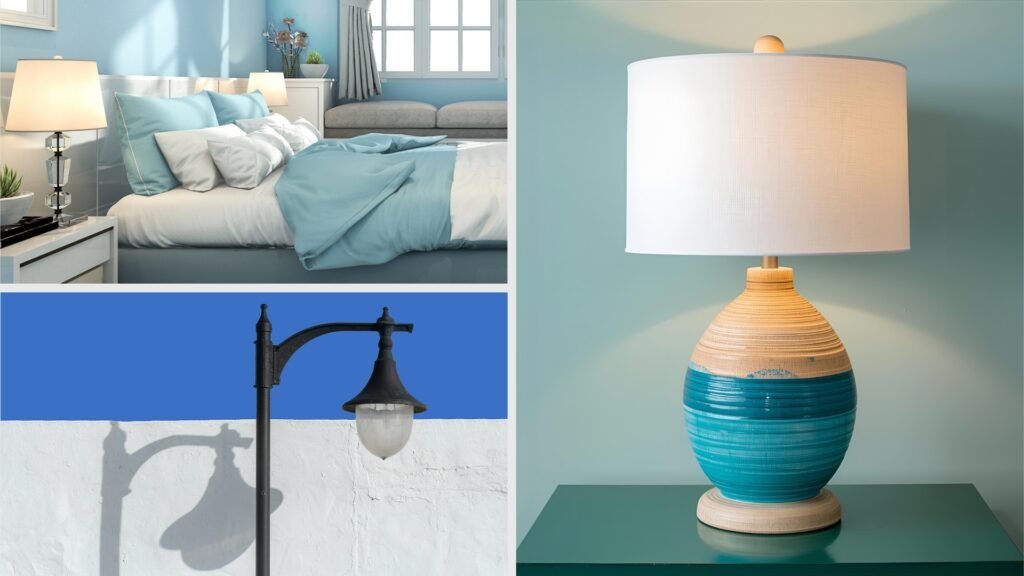
Light is a major consideration for a beach house decor. As a result, lighting is something you do not want to be cheap about.
Lighting sets the mood, and beach-themed lamps create a soft, welcoming glow.
Table lamps, floor lamps, and pendant lights inspired by seaside elements are what you are going for. And these will add both function and personality.
Materials such as ceramic, rattan, woven grass, glass, and weathered wood are all recommendations. For instance, these materials echo the textures found along the coast.
Lamp bases in soft white, pale blue, or sand tones are awesome. They mix effortlessly into neutral palettes.
On the other hand, linen or cotton shades diffuse light gently. I love them in the background during daylight.
Shapes inspired by urns, bottles, or organic forms are also great. They feel relaxed and timeless.
Of course, I would say avoid harsh or overly industrial lighting. In most cases, they will clash with the easygoing vibe.
Instead, go for layered lighting. For example, think of ambient, task, and accent sources.
Placement is also an important aspect. For instance, lamps should highlight seating areas, reading nooks, and corners that benefit from warmth.
So, lighting choices should support the calm, lived-in feel of a coastal home.
Checklist
Creating a cohesive coastal interior requires intention, balance, and consistency across every design choice.
To create your checklist, start by defining a light, natural color palette. You want something that represents the calm of the shoreline.
Choose furniture with clean lines and relaxed silhouettes. The goal is to keep rooms open and inviting.
Incorporate natural materials such as wood, linen, jute, and woven textures. These will add warmth and authenticity.
Select wall art that feels peaceful and understated. The goal is to avoid overly bold or crowded visuals.
Add nautical or coastal accents sparingly. You want them to complement rather than dominate the space.
Choose rugs that ground furniture while keep with a breathable, casual feel.
Layer lighting with soft, warm sources. You want the light to support comfort throughout the day and evening.
Keep surfaces uncluttered. Basically, allow each piece to serve a purpose.
Focus on quality over quantity to avoid a staged or theme-heavy appearance.
Finally, make sure that every room flows naturally into the next, creating continuity throughout the home.
In my opinion, this checklist will help guide your beach house decor decisions while keeping up with a timeless and relaxed coastal atmosphere.



Pingback: Coastal Wall Art for Your Walls to Absolutely Love - Bella Rowe